You may have heard of Radon during a home purchase or sale, or as part of a local safety awareness campaign, but what is Radon, where does it come from, and why does it matter? These are extremely common questions that we get all the time, so we wanted to take a moment to address them in greater detail here.
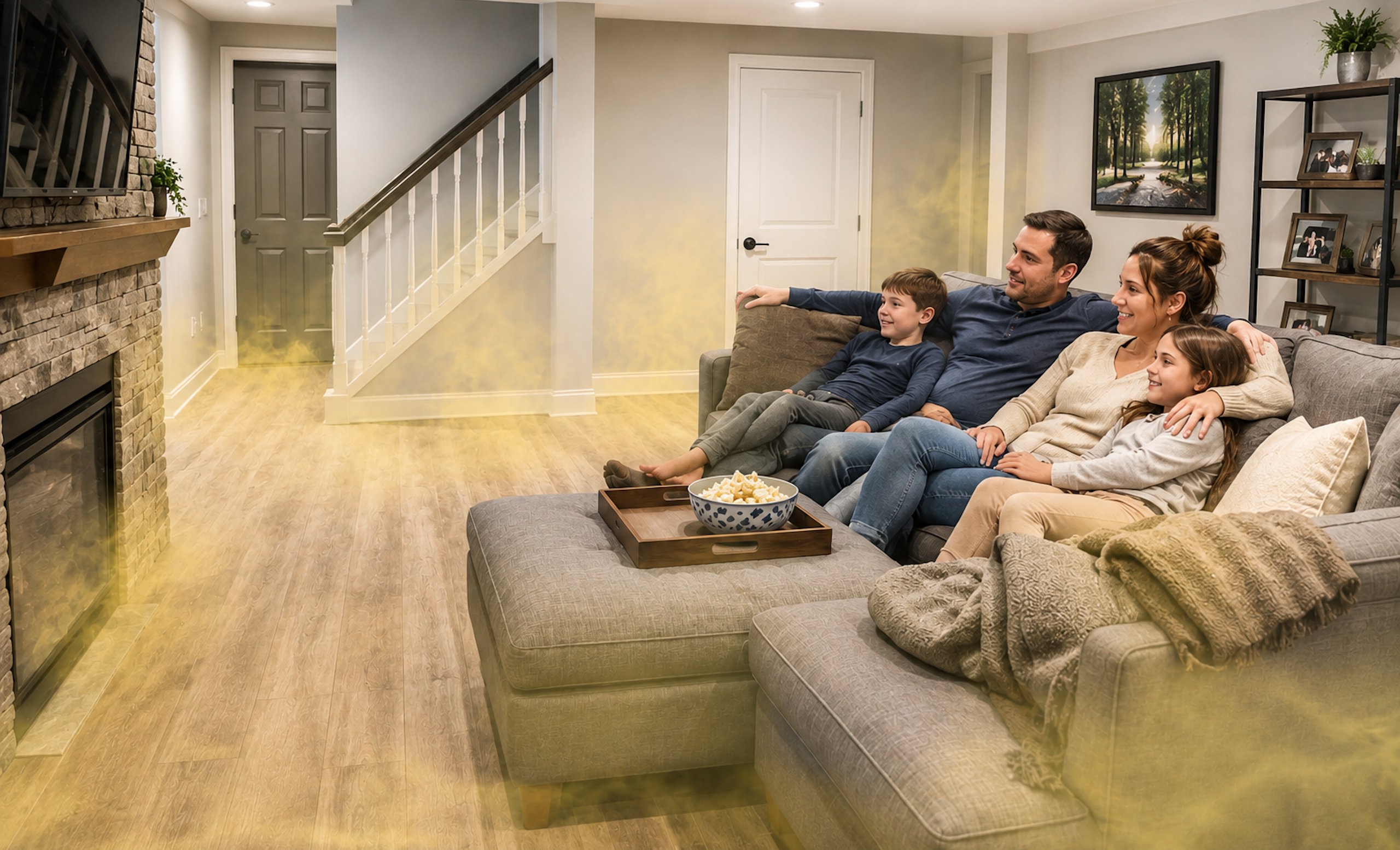
While it may be hard to believe that a gas that you can’t see, taste, or smell could be such a concern, but studies have linked Radon gas exposure to a significant increase in lung cancer, ranking it as the second leading cause of lung cancer in the United States. When Radon gas collects in our homes, it can expose you and your family to a dangerous gas without you even realizing it, which is why specialized Radon testing is so important. Whether testing confirms that you don’t have an issue or makes you aware of one that you can then have addressed, Radon testing provides you with useful information that allows you to ensure that your home is safe.
Where Radon Comes From
Radon originates deep within the earth as part of the natural decay process of uranium, which naturally occurs in rock and soil all over the world. As uranium breaks down, it produces radon gas, which can seep through the ground and eventually reach the surface.
Because uranium is naturally present in varying concentrations, radon levels can differ significantly from one location to another. Some communities may have higher radon potential due to local geology, while neighboring areas may experience lower concentrations. You can even see cases where one house doesn’t have a radon issue while the home next door does.
How Does Radon Get in Homes
As Radon gas seeps up to the surface, it can often find its way into basements and homes through its foundation. The gas often enters through cracks in concrete slabs, gaps around utilities, sump pits, crawl spaces, and other openings that connect the structure to the soil beneath it. Due to the nature of radon issues and how radon enters and collects inside of homes, any home can be affected, from older historic properties to the newest construction.
Once radon enters a home, it may become trapped and accumulate, especially in lower levels such as basements and first floors. Because every property is different, testing remains the most effective way to determine actual indoor radon levels.
In addition to the potential exposure to radon gas, radon can also dissolve into groundwater and be released into the air when water is used within a building. This can result in increased radon levels when you’re washing dishes, taking a shower, or brushing your teeth.
How Radon Issues Are Resolved Effectively
When elevated Radon levels are discovered, specialized Radon Mitigation Systems can be installed by qualified professionals that reduce concentrations significantly. The most common solution is a sub-slab depressurization system, which uses a vent pipe and fan to draw radon from beneath the home and safely discharge it above the roofline before it can enter living spaces. Because Radon gas is lighter than air, this dissipates safely.
Professional Radon Mitigation Contractors like your local Disaster Blaster evaluate the unique characteristics of a property and design a system that addresses the specific source of radon entry. Additional measures such as sealing accessible cracks and improving ventilation may complement and improve the efficiency of the primary mitigation system. After installation, follow-up testing confirms that radon levels have been reduced effectively.
Radon is a natural part of the environment, but that does not mean homeowners should ignore it. Understanding how it is created, how it moves through the ground, and how it enters buildings can help people make informed decisions about protecting their families and properties.
The good news is that radon problems are both measurable and manageable. With proper testing and, when necessary, professionally designed mitigation systems, homeowners can significantly reduce radon exposure and enjoy greater peace of mind about their indoor air quality. If you have a concern that you may have a Radon issue in your home, please don’t hesitate to Contact Your Local Disaster Blaster. We are always happy to help!
Interested in older news stories? Please see our News Archive.