As winter ends and the days begin to warm, the landscape undergoes a dramatic transformation. Snow that once blanketed yards and streets melts, releasing a surge of water that must find somewhere to go. This influx often overwhelms the ground, storm drains, and low-lying areas, creating conditions ripe for water accumulation and intrusion.
Adding to this, the end of winter often brings frequent rainfall, sometimes arriving in heavy bursts. Together, melting snow and seasonal showers saturate the earth, pushing its capacity to absorb moisture beyond its limits. The excess water looks for the easiest routes—often pooling near foundations, running off into storm drains, or simply accumulating wherever the terrain allows, increasing the likelihood of flooding and water intrusion.
Flooding: When Water Overwhelms the Landscape
Flooding is a widespread spring hazard, occurring when the sheer volume of water from snowmelt and rain surpasses what the ground and drainage systems can handle. The result can be standing water in yards, streets, and even inside homes. Floodwater can inflict damage by eroding soil, carrying harmful debris, and leaving behind contamination that can threaten both property and health.
To help prevent flood damage, homeowners should ensure their property is graded to direct water away from the house. Regular maintenance of gutters and storm drains is also vital, as these systems are designed to direct rain water away from your home’s foundation. Installing flood barriers or utilizing sandbags in vulnerable areas can also provide added protection when heavy rain or rapid snowmelt is expected.
Basement Water Intrusion: Wet Basements and High Humidity
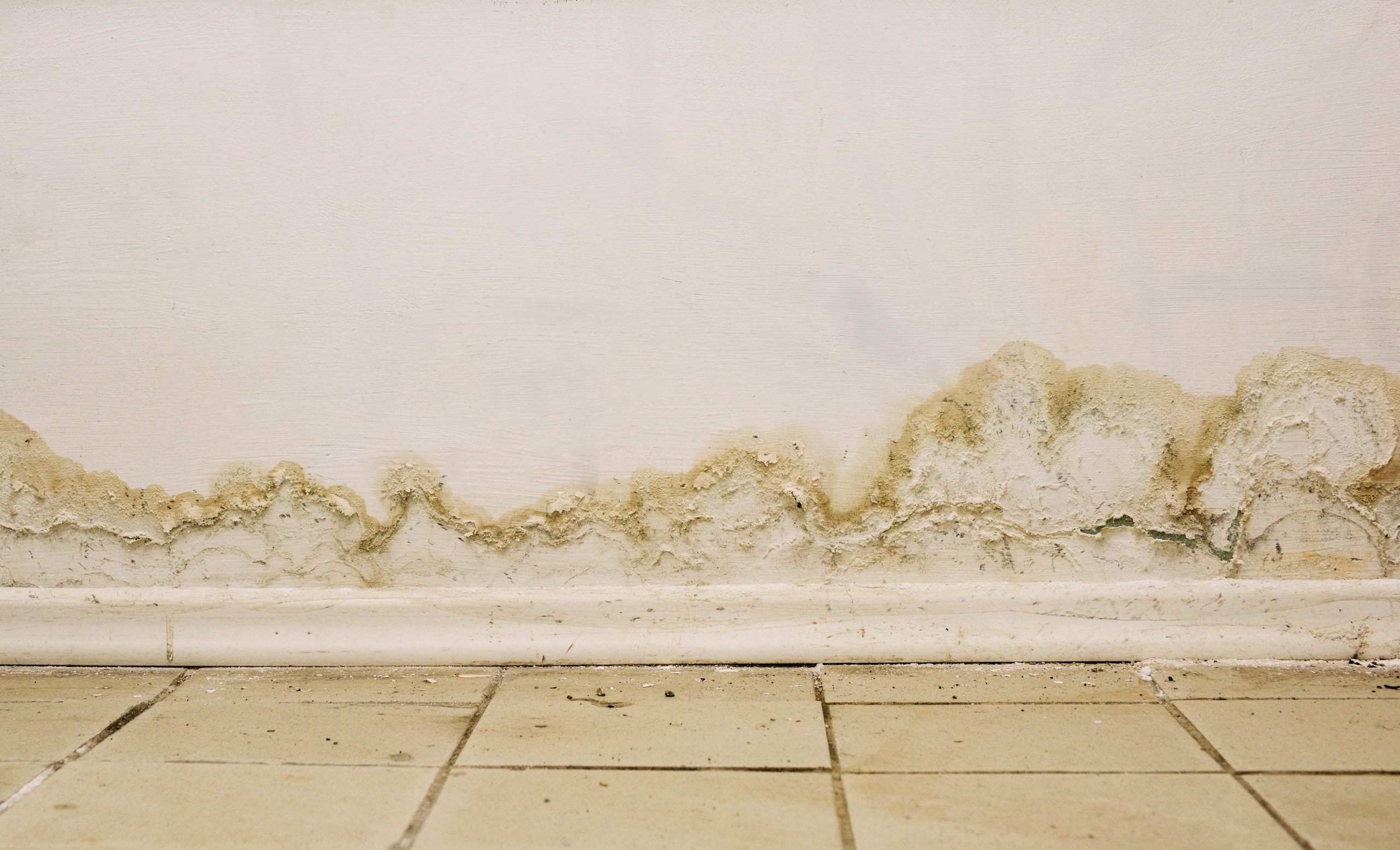
Basement water intrusion is one of the most common and costly issues during the spring thaw. When water collects around a home’s foundation, it may seep through cracks or porous materials. This intrusion leads to damp floors and walls, damaged belongings, and can compromise the structural integrity of the foundation. Because this damage can worsen over time, it’s important to address it right away.
Beyond direct water intrusion, basements often suffer from heightened humidity after flooding or persistent moisture. Elevated humidity promotes condensation, which can rot wood, damage drywall, and encourage rust on metal fixtures. It also creates an environment conducive to mold growth and unpleasant odors, making the basement less usable and potentially hazardous to health.
To combat water intrusion and humidity, homeowners should inspect and seal foundation cracks, install or maintain sump pumps, and ensure gutters and downspouts are functioning properly. Using dehumidifiers can help maintain a dry environment, while keeping storage items off the floor and using moisture barriers may further reduce risk. Promptly addressing leaks and drying out affected areas is crucial for preserving the integrity and comfort of the basement.
Mold: A Hidden Threat from Water Intrusion
Mold growth is a serious consequence of water intrusion, particularly in basements and areas where moisture lingers. Mold can damage walls, floors, fabrics, and furnishings, and its spores can become airborne, leading to respiratory issues, allergies, and other health concerns for occupants. Sometimes mold remains hidden behind walls or under floors, making it difficult to detect and address promptly.
The best defense against mold is to minimize moisture and promptly dry out any affected areas. While water intrusion issues should be addressed properly through Basement Waterproofing, as water can wick through foundation walls and basement floors, humidity may still be a concern. For this reason, it’s generally a good idea to use dehumidifiers to keep humidity levels low, and regularly inspect basements and crawl spaces for signs of dampness or musty odors. If mold is discovered, it’s important to remediate it quickly in order to prevent further damage. Your local Disaster Blaster is happy to help! Maintaining a dry, well-ventilated home is key to preventing the hidden hazards of mold.
Other Considerations: Protecting Your Home
In addition to flooding and basement water issues, spring weather can cause soil erosion, which undermines landscaping and even the stability of home foundations. Clogged gutters can lead to water backing up and spilling over, increasing the risk of water intrusion in places other than the basement. Sump pump failures, often during high water events, can quickly turn a manageable situation into an emergency.
Mitigating these risks involves regular checks and maintenance. Clean your gutters and downspouts, test sump pumps before the rainy season, and inspect the grading around your home to ensure water flows away from the foundation. Investing in backflow prevention devices or French drains may also help divert excess water and minimize damage.
If water is getting in your basement, please don’t hesitate to Contact Your Local Disaster Blaster. We’re always happy to help!
Interested in older news stories? Please see our News Archive.