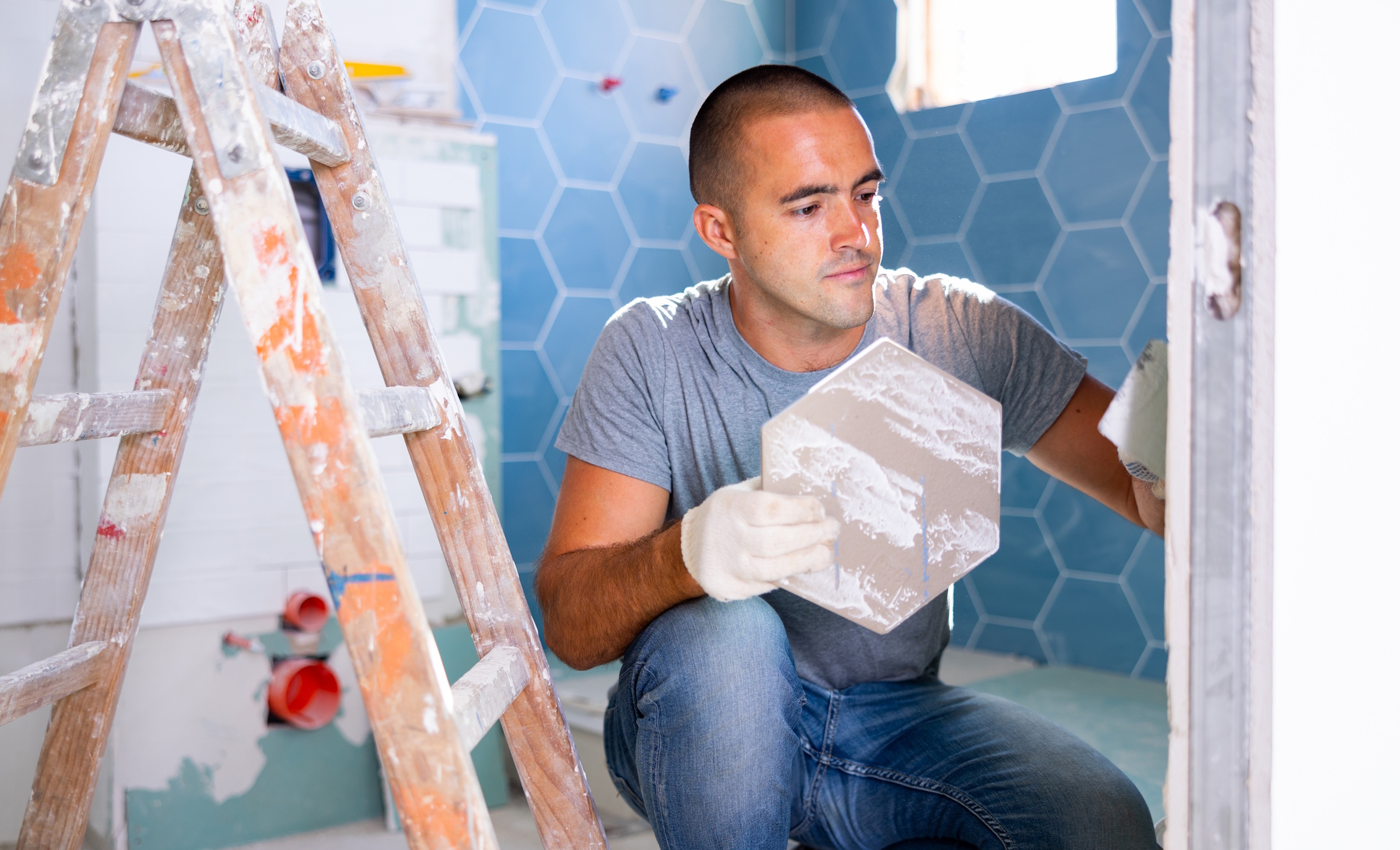
Summer is a popular time for home remodeling projects. While the warmer weather encourages upgrades and repairs, it’s also when homeowners often uncover hidden hazards lurking beneath the surface.
These surprises can disrupt project timelines, inflate costs, and pose serious risks to health and safety. Being informed about common remodeling dangers can not only help you be better prepared for your project and protect your home investment, but also ensure the safety of your family.
Hidden Water Damage
Water damage is a silent threat many homeowners don’t notice until walls are opened up during a remodel. Leaks from outdated or deteriorated plumbing, roof issues, poorly sealed windows, or foundation leaks can cause water to seep into building materials like drywall, insulation, and flooring. Over time, this hidden moisture weakens building materials and may lead to serious structural concerns that can be much more expensive to address. While water damage is often found in bathrooms, kitchens, basements, and attics, it is important to keep in mind that water damage can happen anywhere.
Addressing hidden water damage starts with a thorough inspection, especially in areas prone to leaks. If you discover soggy materials or water stains, affected sections may need to be removed and dried to prevent further damage. While minor damage may be handled with proper drying and mitigation, extensive or recurring water issues may lead to long term damage such as rot, structural damage, and mold growth, that require more extensive work to address properly. It’s also important to note that issues like mold growth do not require a lot of moisture and you may not be able to tell what building materials are wet. This is why professionals use specialized moisture detection equipment to identify problems and address them effectively.
Mold
Mold thrives in damp, dark, environments and can quickly spread when hidden water damage is present. Not only is mold unsightly and often the cause of serious structural issues over time, but it can trigger allergies, respiratory issues, and other health concerns. During remodeling, mold is commonly found behind walls, under flooring, under or behind sinks and showers, and in basements or attics where moisture can accumulate unnoticed.
Due to the risks of potentially spreading mold to other parts of your home, it’s important to hire qualified Mold Remediation specialists like Disaster Blaster to assist in addressing the mold issue effectively. Because it’s important to not only address the mold growth itself, but the source of the moisture as well, Disaster Blaster’s unique approach includes work to identify and address these underlying moisture issues as well. This ensures that not only are you addressing the current mold issue, but taking steps to prevent it from coming back.
Asbestos
Asbestos was widely used in building materials until the late 20th century and poses severe health risks when disturbed. It’s commonly found in older homes and, while some common Asbestos-containing materials include insulation, floor tiles, ceiling tiles, joint compound, and certain adhesives, it’s important to keep in mind that Asbestos was used in thousands of products and it’s impossible to provide a full list here. The rule of thumb in older homes is if you don’t know if it’s Asbestos-containing or not, it’s a good idea to have it tested before disturbing it. Inhaling asbestos fibers during remodeling can lead to lung diseases, making it a hazard that should never be underestimated.
If you suspect Asbestos during demolition or renovation, stop work and contact a qualified Asbestos Abatement professional like your local Disaster Blaster. Do not attempt to remove or disturb materials yourself. Experts will test, contain, and safely remove Asbestos, following strict procedures to ensure your home remains safe.
Lead
Lead exposure is a significant risk in homes built before 1978, as lead-based paint was commonly used. Home renovations that disturb painted surfaces can release harmful lead dust, which is especially dangerous for children and pregnant women. Because lead was used in paint, it can be on any painted surface, but some common areas where we see lead today are painted walls, trim, and the casing around windows and doors. While chipping paint is often considered a sign of lead paint, and can absolutely indicate that there may be cause for concern, this relies heavily on the condition of the paint, so it’s important to keep in mind that paint in good condition may contain lead as well.
If you have a lead concern, it is important to involve professionals to ensure that the lead issue is addressed properly. Qualified Lead Abatement Professionals follow safety regulations to minimize dust and ensure a thorough cleanup, protecting your household from potential poisoning.
Rot and Structural Issues
Rot occurs when wood and other organic materials are exposed to persistent moisture, weakening structural elements over time. During remodeling, rot is often discovered in roof joists, subflooring, wall framing, behind or under sinks and tubs, and decks. These structural issues can compromise the integrity and safety of your home.
Repairing rot starts with removing damaged materials and treating the affected area. While minor repairs can be handled by experienced DIYers, widespread rot or structural instability should be assessed and repaired by a licensed contractor or structural engineer to restore strength and prevent future problems.
Foundation Cracks
Foundation cracks can be a sign of settling, moisture infiltration, or structural stress. Since foundation walls can often be hidden behind drywall or paneling, it is common to discover foundation issues during home renovations. While some cracks are harmless, others may indicate serious issues that can undermine your home’s stability.
During any renovation, it’s important to look for signs of hidden damage. If you discover foundation damage during a renovation, it’s important to inspect cracks carefully and monitor for changes. Small, stable cracks may be sealed or repaired by qualified professionals, preventing these issues from getting worse. In the case of wide or growing cracks however, additional steps may be necessary to evaluate and address these issues effectively. Structural engineers can diagnose the cause and recommend solutions, from simple repairs to major reinforcement, ensuring your home remains secure.
Insurance Coverage: What Homeowners Should Know
Insurance can help cover costs associated with certain remodeling hazards, but coverage depends on your policy and the cause of the damage. Keep in mind that homeowners insurance is intended to cover damages that are sudden and accidental, meaning long-term water damage or mold growth may not be covered under your insurance policy.
Sudden events or hidden damage that you may not have been aware of may be covered by your insurance policy, but a variety of considerations may apply. For instance, mold growth itself is often only covered if it was the result of an otherwise covered water damage event, and even then there may be specific language and coverage limits in the policy that may apply. Similarly, Asbestos and Lead directly are not covered under most insurance policies unless the abatement is necessary as part of an otherwise covered claim. It’s essential to review your homeowner’s policy and understand the coverages, and their potential limitations, to determine what coverages apply and what potential out of pocket cost you may have.
Summer remodeling can transform your home, but hidden hazards may complicate the process. By understanding common risks like water damage, mold, asbestos, lead, rot, and foundation cracks, you can plan ahead and make informed decisions, even when things don’t go as planned.
As always, if you discover an issue during your remodel, don’t hesitate to Contact Your Local Disaster Blaster, we’re always here to help!
Interested in older news stories? Please see our News Archive.