Comprehensive Solutions from Disaster Blaster for Moisture and Mold Problems
Basements are often overlooked when it comes to home maintenance, but they play a crucial role in the integrity and health of your entire property. A wet basement may start as a minor inconvenience—a musty smell, a bit of condensation on the walls—but over time, these seemingly small issues can escalate into significant problems. Water intrusion, persistent dampness, and unchecked humidity threaten not only the basement structure but also the safety, comfort, and value of your home.
Homeowners must recognize the importance of addressing basement moisture issues promptly. Ignoring or delaying action can result in compounding damage that becomes increasingly difficult and expensive to repair. A proactive approach to keeping your basement dry and humidity-free is an investment in the longevity of your property, the health of everyone living in it, and peace of mind for years to come. Whether you’ve already noticed signs of moisture or simply want to safeguard your home from future risks, understanding the dangers and solutions surrounding wet basements is essential.
The dangers of wet basements
Wet basements are not only uncomfortable—they are a warning sign that something is wrong within your home’s foundation. Water can slowly seep through cracks in walls or floors, creating ideal conditions for deterioration. Over time, this can lead to structural weakening, foundation shifts, and even the collapse of retaining walls or flooring systems. The presence of water also causes wood to warp, metals to rust, and paints to peel, making repairs more and more extensive as time passes.
Beyond structural concerns, wet basements can wreak havoc on personal belongings stored below ground level. Carpets, furniture, electronics, and treasured keepsakes can all fall victim to water damage, often resulting in irreversible loss. Unchecked moisture also provides a breeding ground for bacteria and pests, including termites and rodents, which can further compromise your home’s integrity and potentially poses health risks to you and your family.
In addition, persistent moisture is often accompanied by unpleasant odors and a damp feeling that permeates the entire basement. These conditions can affect the comfort of your living spaces, making the basement unusable and discouraging its use for recreation, storage, or as a part of your home’s living area. The longer the problem persists, the more likely it is to spread, impacting other rooms and increasing repair costs exponentially.
Why humidity is a big issue as well
Humidity is a silent culprit that often goes unnoticed until it results in mold growth or rot. Even when there is no standing water, high humidity in basements can foster many of the same problems as water intrusion. Excess moisture in the air condenses on cool surfaces such as walls, pipes, and floors, leading to chronic dampness and the gradual deterioration of materials.
High humidity levels don’t just damage physical structures—they also threaten indoor air quality. Moist air encourages the growth of mold spores and dust mites, both of which can trigger allergies and respiratory issues, especially for vulnerable family members. Maintaining proper humidity levels is a key component of a healthy home environment, reducing the risk of airborne contaminants that can spread throughout your house.
Humidity also has a direct impact on the efficiency and lifespan of heating and cooling systems. Appliances such as furnaces, water heaters, and air conditioners are forced to work harder in damp environments, often leading to premature failure and increased energy costs. Addressing basement humidity is therefore an essential step in protecting your investment and ensuring the comfort and safety of your home.
How moisture and humidity issues cause mold problems
Mold growth is one of the most serious consequences of moisture and humidity in basements. Mold thrives in dark, damp, and poorly ventilated spaces, making basements a prime location for its proliferation. Once mold takes hold, it can quickly colonize walls, floors, ceilings, and even the air itself, spreading through spores that are easily inhaled by occupants.
Mold exposure is associated with a range of health problems, from mild allergic reactions to severe respiratory illnesses. Children, the elderly, and individuals with compromised immune systems are especially at risk. The presence of mold can also lead to persistent odors, staining, and a decrease in property value, making it essential to address moisture issues before mold takes root.
The process of removing mold is both time-consuming and costly, often requiring professional remediation. Preventing mold is far easier than eradicating it, and the best prevention is controlling moisture and humidity. Homeowners must be vigilant, regularly inspecting their basements for signs of dampness and taking action at the first indication of a problem.
Where the water comes from
Understanding the sources of basement water intrusion is essential for effective prevention and remediation. Water can enter a basement through cracks in the foundation, poor grading around the house, malfunctioning gutters and downspouts, or leaks in plumbing systems. Often, the problem is compounded by heavy rainfall, melting snow, or a high water table, which further increases the pressure on basement walls and floors.
Condensation is another major contributor to basement moisture. Warm, humid air meets cool surfaces in the basement, creating water droplets that accumulate and soak into building materials. Even seemingly minor leaks, such as from an aging water heater or a faulty sump pump, can build up over time and create persistent wet conditions.
To address basement moisture effectively, homeowners should perform routine inspections and maintenance, ensuring that drainage systems are functioning properly and that the foundation remains intact. Awareness and early intervention are key to stopping water problems before they escalate into larger, more costly issues.
How dehumidification can solve many wet basement issues
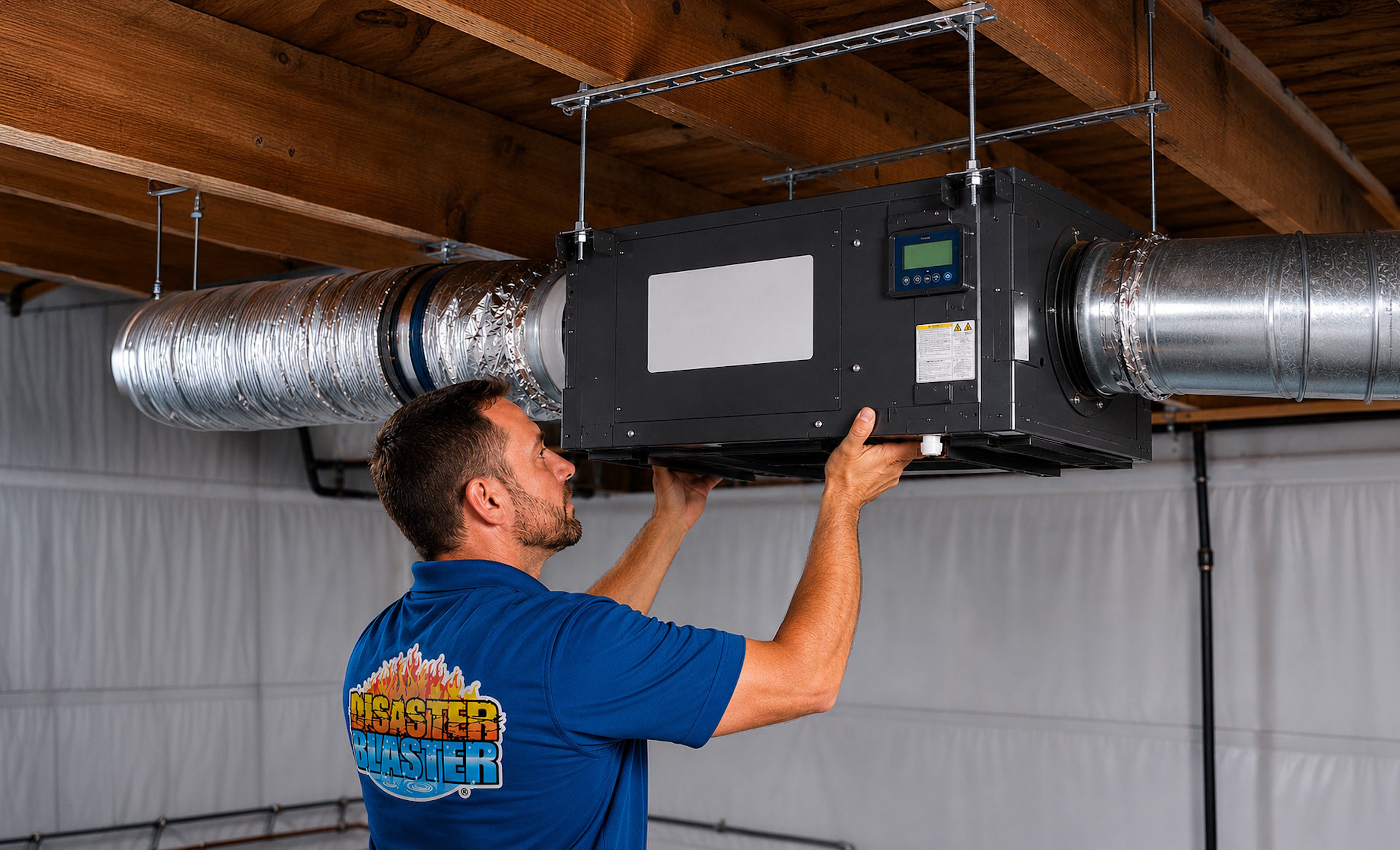
While repairing leaks and addressing structural concerns are critical steps, one of the most effective ways to combat basement moisture is through the installation of a commercial-grade dehumidification system. These systems are specifically designed to manage challenging basement environments, efficiently extracting moisture from the air and maintaining optimal humidity levels.
Disaster Blaster specializes in installing high-performance dehumidification systems that not only prevent mold growth but also protect your home’s structural integrity and indoor air quality. By removing excess moisture, these units create a healthier, drier, and more comfortable basement environment, reducing the risk of water damage, mold growth, and costly repairs.
Choosing Disaster Blaster means benefiting from professional expertise, customized solutions, and ongoing support. Their commercial-grade dehumidifiers are built to handle large spaces and the toughest moisture challenges, ensuring your basement remains a safe and valuable part of your home. Don’t let moisture and humidity threaten your property—take action today and enjoy the peace of mind that comes with a protected basement.
Disaster Blaster is always here to help. If you have a wet basement or crawlspace, don’t hesitate to Contact Your Local Disaster Blaster.
Interested in older news stories? Please see our News Archive.